How regular IPv4 leasing revenue can support network budgeting
 Bram de Vries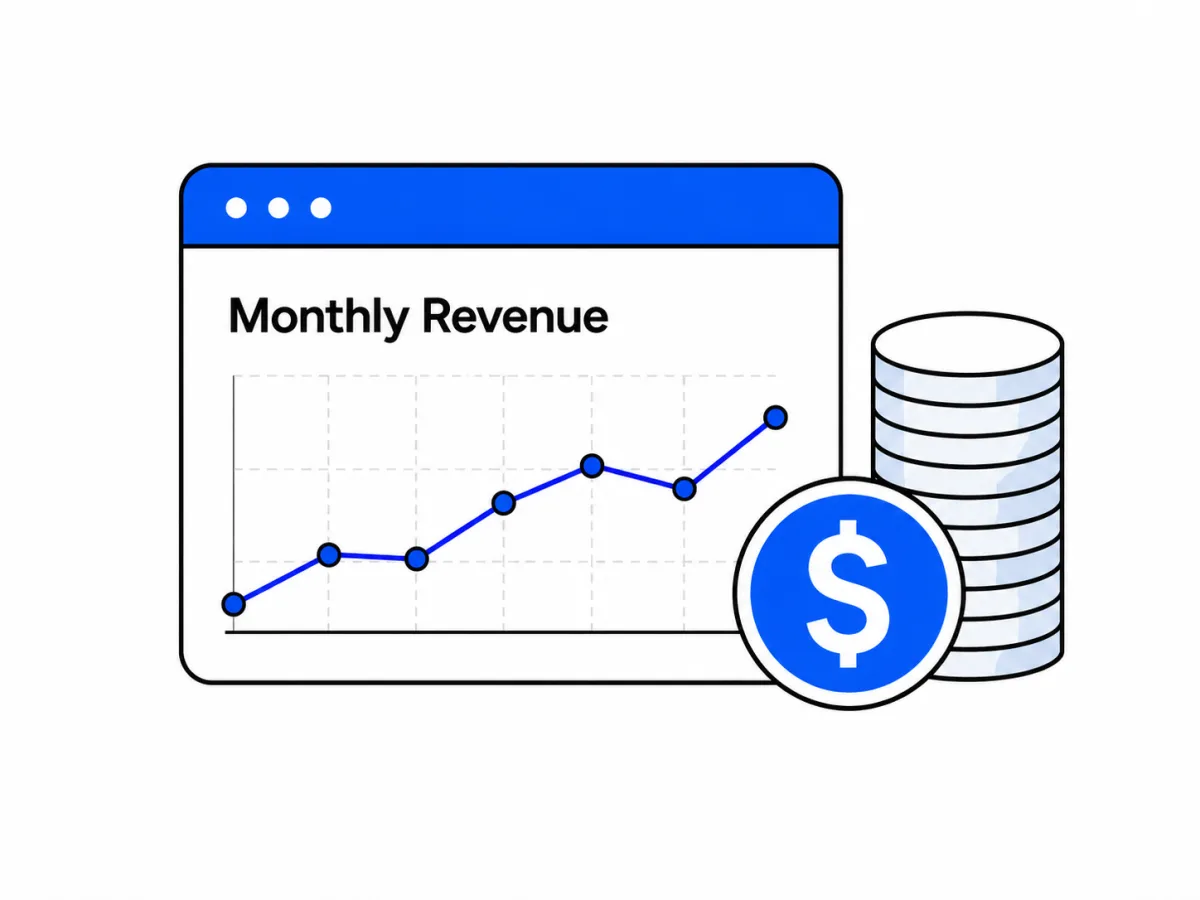
Many networks hold IPv4 ranges that are valid, routable, and unused. Leasing can turn that idle capacity into a recurring income stream. For finance and network teams, the main value is not only revenue. It is better planning for upgrades, routing operations, audits, and risk reserves.
IPv4 leasing revenue is recurring income earned when an address holder lets another organization use an IPv4 prefix for a defined lease term. It helps network owners fund infrastructure work, improve budget visibility, preserve ownership, and avoid a one-time sale when the address space may still have future strategic value.
Table of Contents
- How does IPv4 leasing revenue support network budgeting?
- When does it make sense to monetize unused IP?
- How should financial forecasting include IPv4 leases?
- What operational controls protect leasing income?
- When is selling more practical than leasing?
- What should owners clarify before using IPv4 income in budgets?
- How should an address owner move forward?
How does IPv4 leasing revenue support network budgeting?
IPv4 leasing revenue can support network budgeting because it creates predictable cash flow from an existing asset. The owner does not need to sell the block to receive value from it. The income can be mapped to operating expenses and planned technical work.
Typical budget uses include:
- router, switch, firewall, and optical equipment replacement;
- BGP monitoring, RPKI maintenance, and registry administration;
- DDoS protection, abuse handling, and reputation checks;
- data center cross-connects, transit, peering, and colocation fees;
- engineering time for documentation, audits, and automation.
The revenue should not be treated as risk-free income. A lease can create operational work, tenant oversight, and cleanup costs if the prefix is misused.
When does it make sense to monetize unused IP?
A company may choose to monetize unused IP when it has idle IPv4 space but still wants to keep ownership. This is common for enterprises, ISPs, universities, hosting providers, and older networks that received allocations before their current needs changed.
Leasing may make sense when:
- The block is not needed for internal growth in the next planning cycle.
- Registry records, route objects, and contacts are accurate.
- The owner can define acceptable tenant use cases.
- The expected income is higher than monitoring and administration costs.
- The lease term does not block future network plans.
Owners can review a monetize unused IP option when they want recurring income while keeping the address asset under their control.
How should financial forecasting include IPv4 leases?
Financial forecasting should treat leasing income as a contract-based cash flow, not as guaranteed permanent revenue. Finance teams should model lease duration, vacancy risk, payment timing, taxes, broker fees, support effort, and possible remediation costs.
A useful forecast should separate:
- confirmed lease income from expected future placement;
- short-term leases from multi-year agreements;
- gross revenue from net income after fees and operations;
- stable tenants from higher-risk use cases;
- revenue used for upgrades from revenue kept as reserve.
This gives the network team a clearer view of what can be funded now and what should wait until income is confirmed.
What operational controls protect leasing income?
Recurring income only helps the budget if the block keeps its value. Poor tenant behavior can damage reputation, reduce future demand, and create extra support work. The owner should build controls before the first lease starts.
Important controls include:
- written authorization with origin ASN rules;
- tenant screening and use-case review;
- defined abuse response deadlines;
- reputation monitoring during the lease;
- termination terms for misuse, non-payment, or unauthorized routing.
These controls protect cash flow and the long-term value of the address portfolio.
When is selling more practical than leasing?
Leasing is suitable when the owner wants recurring income and expects possible future use of the block. Selling may be more practical when the organization needs immediate capital, wants to reduce administration, or no longer sees strategic value in the address space.
If the budget requires a one-time capital event instead of recurring income, the owner can compare leasing with a sell IPv4 addresses scenario. The decision should consider market price, tax treatment, transfer process, internal growth plans, and the cost of losing future control.
What should owners clarify before using IPv4 income in budgets?
How should an address owner move forward?
An address owner should connect leasing decisions with budget planning, risk reserves, tenant policy, and long-term network needs. To evaluate IPv4 leasing revenue, structure terms, compare lease and sale scenarios, and turn unused address space into a managed financial resource, contact InterLIR Global and build a monetization plan that fits your network budget.