How to prepare your network team before renting IPv4 addresses
 Katarzyna Ostrowska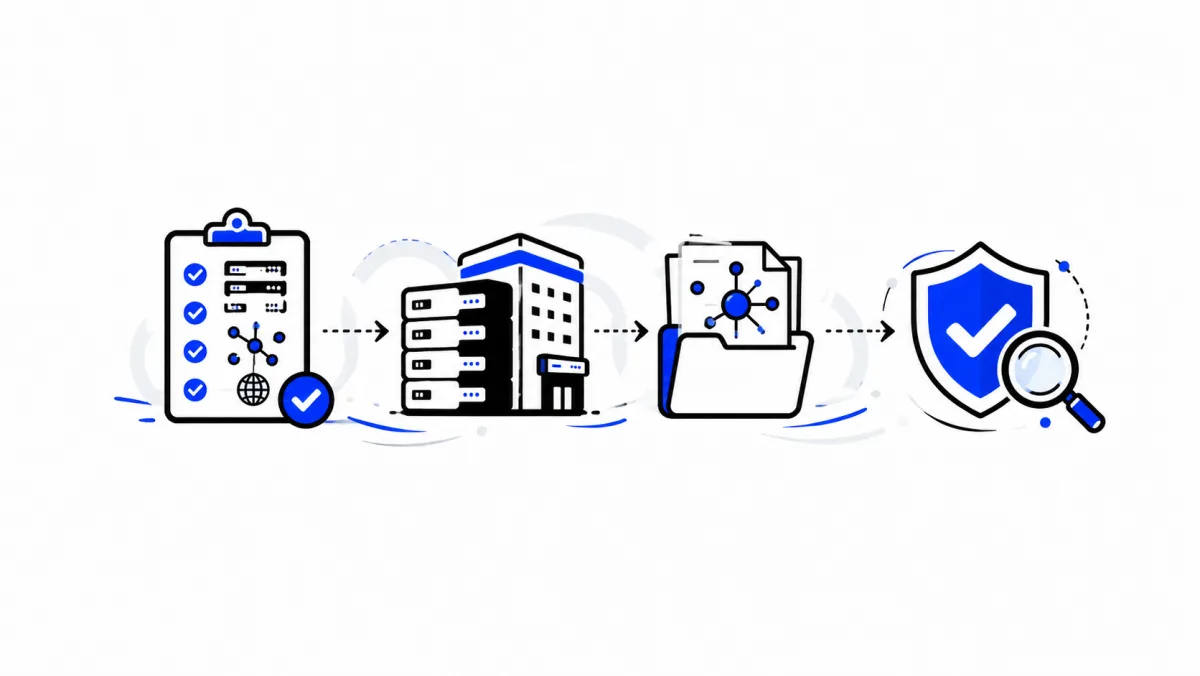
Renting IPv4 addresses requires technical preparation, clear responsibilities, and coordinated changes across network systems. A prepared team reduces deployment risks, prevents configuration errors, and helps maintain stable operations after new address resources become active.
IPv4 rental team readiness — a preparation process that ensures network specialists, procedures, and technical systems are ready before using rented IPv4 resources. It includes migration planning, routing configuration, monitoring, security controls, and internal coordination to support a controlled deployment.
Table of Contents
- How should a network team prepare before IPv4 rental?
- What should an IPv4 rental migration checklist include?
- How should teams prepare BGP and routing policies?
- Why are DNS and IPAM updates important before IPv4 deployment?
- How can companies organize responsibilities during IPv4 rental?
- How should teams prepare monitoring and rollback procedures?
- What mistakes should network teams avoid before IPv4 rental?
- How can teams organize IPv4 rental preparation before deployment?
- How can companies improve IPv4 deployment planning?
How should a network team prepare before IPv4 rental?
Before activating rented IPv4 addresses, the network team should review infrastructure requirements and define operational procedures. The preparation stage helps identify dependencies and prevents unexpected service interruptions.
The main preparation areas include:
- reviewing current network architecture and address usage;
- assigning technical roles and responsibilities;
- checking compatibility with existing systems;
- preparing communication channels for incidents;
- documenting planned configuration changes.
A clear preparation process allows teams to understand how new IPv4 resources will affect routing, DNS, security tools, and monitoring systems.
What should an IPv4 rental migration checklist include?
A detailed migration checklist helps teams organize each stage of IPv4 deployment. It should include technical validation, approval steps, and recovery procedures.
A practical checklist covers:
- confirming address allocation details;
- preparing the deployment plan;
- completing ipam update procedures;
- reviewing dns preparation requirements;
- configuring routing and security policies;
- validating monitoring and incident response processes.
Teams using rented IPv4 addresses should document each step before production activation. Companies can also review IPv4 rental solutions when planning additional address capacity.
How should teams prepare BGP and routing policies?
Routing configuration is one of the most important parts of IPv4 deployment. Network engineers should verify how new prefixes will be announced and controlled.
The preparation process should include:
- reviewing BGP configuration requirements;
- updating routing policy rules;
- confirming prefix authorization;
- checking route propagation;
- validating connectivity from external networks.
Incorrect routing changes can cause reachability problems or service interruptions. A controlled rollout with testing procedures helps reduce these risks.
Why are DNS and IPAM updates important before IPv4 deployment?
New IPv4 resources often require changes in network documentation and service configuration. The team should prepare DNS records and update address management systems before production use.
DNS preparation may include:
- creating or updating forward DNS records;
- checking reverse DNS requirements;
- validating application dependencies.
An ipam update ensures that internal records match the new address allocation. Accurate documentation improves troubleshooting and helps teams track resource ownership.
How can companies organize responsibilities during IPv4 rental?
Clear ownership reduces delays during technical changes. A responsibility matrix helps define who manages each part of the deployment process.
The matrix may include:
- network engineers responsible for routing changes;
- system administrators responsible for service configuration;
- security teams responsible for access controls;
- operations teams responsible for monitoring and incident handling.
Before deployment, teams should also define change approval procedures. Approved changes create a documented record of modifications and reduce the risk of unauthorized actions.
How should teams prepare monitoring and rollback procedures?
Every IPv4 deployment should include validation and recovery planning. A monitoring system helps identify problems after activation, while rollback procedures provide a controlled response.
Teams should prepare:
- monitoring setup for traffic, availability, and route status;
- testing scenarios after deployment;
- rollback procedures if unexpected issues appear;
- abuse escalation contacts and response processes.
A rollback plan should define when changes must be reversed and which team members are responsible for each action.
What mistakes should network teams avoid before IPv4 rental?
Poor preparation can create operational risks. Common mistakes include:
- activating addresses without testing;
- missing documentation updates;
- unclear ownership of deployment tasks;
- incomplete monitoring configuration;
- ignoring security and abuse procedures.
A structured preparation process helps organizations integrate IPv4 resources without disrupting existing services.
How can teams organize IPv4 rental preparation before deployment?
How can companies improve IPv4 deployment planning?
Organizations preparing for IPv4 address expansion can review available infrastructure options with InterLIR Global. The company helps businesses evaluate IPv4 resource requirements and select suitable approaches for address management, rental processes, and network growth.