How IP Reputation and Abuse Monitoring Protect IPv4 Suppliers
How IP Reputation and Abuse Monitoring Protect IPv4 Suppliers
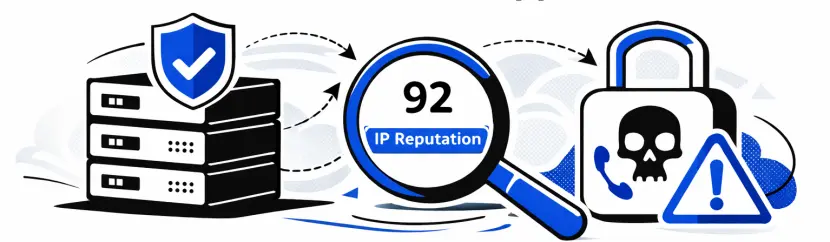
IPv4 suppliers—organizations that lease or sell address blocks—face a unique risk: tenant or buyer abuse can degrade IP reputation, trigger abuse monitoring complaints, and damage the value of their assets. In the US and EU markets, IP reputation and abuse monitoring are essential tools for protecting lessors and sellers from blacklisting, RIR sanctions, and revenue loss.
This guide explains how IP reputation and abuse monitoring work together to protect IPv4 suppliers, what RIRs require, and how to keep your blocks clean and valuable.
Table of Contents
- What Is IP Reputation for IPv4 Suppliers?
- What Is Abuse Monitoring?
- How IP Reputation and Abuse Monitoring Protect Suppliers
- RIR Requirements: RIPE and ARIN
- Best Practices for IPv4 Supplier Protection
- How InterLIR Global Protects Suppliers
- Summary and Next Steps
- Frequently Asked Questions
What Is IP Reputation for IPv4 Suppliers?
IP reputation is the collective scoring and trust status of an IP address or block based on historical behavior. For IPv4 suppliers, reputation matters because:
- Blacklisted IPs lose value—email blacklists, spam traps, and security feeds flag bad actors; listed blocks suffer degraded deliverability and reduced demand.
- Clean IPs command premium pricing—blocks with strong deliverability and no abuse history attract higher lease and sale prices.
- Reputation follows the block—even when you lease to a tenant, abuse committed from your block affects the space you hold. You remain the RIR-registered holder and abuse contact.
When you supply IPv4 to tenants or buyers, their use directly impacts your IP reputation. Without abuse monitoring, you may not learn of problems until complaints reach the RIR or blacklists—by which point remediation is harder.
What Is Abuse Monitoring?
Abuse monitoring is the process of tracking, investigating, and responding to abuse reports and reputation signals related to your IP space. For IPv4 suppliers, it typically involves:
| Activity | Purpose |
|---|---|
| RIR abuse mailbox | Receive complaints forwarded from RIPE, ARIN, and other registries |
| Blacklist scanning | Check blocks against 24+ email and DNSBL lists before and during lease |
| Tenant monitoring | Observe tenant activity for signs of spam, phishing, or malware |
| Investigation | Validate reports, determine severity, and identify responsible parties |
| Remediation | Work with tenants to stop abuse; escalate or terminate if needed |
| Prevention | Due diligence on counterparties before lease or sale |
Abuse monitoring gives IPv4 suppliers visibility before problems escalate. Early detection protects IP reputation and limits legal and RIR exposure.
How IP Reputation and Abuse Monitoring Protect Suppliers
Together, IP reputation and abuse monitoring protect IPv4 suppliers in several ways:
1. Preserve Block Value
Blacklisted blocks are harder to lease or sell. Abuse monitoring helps catch issues before they reach major blacklists—or before they worsen. Clean IP reputation supports higher lease rates and sale prices.
2. Meet RIR Obligations
RIPE and ARIN require holders to maintain a valid abuse-c contact and respond to abuse reports. Abuse monitoring ensures you receive and act on complaints promptly. Failure can lead to reassignment, sanctions, or loss of resources.
3. Reduce Legal and Compliance Risk
Unaddressed abuse can trigger legal action or regulatory scrutiny. In the EU, GDPR and ePrivacy frameworks impose obligations on data controllers. Abuse monitoring supports documentation and timely response, reducing liability.
4. Enable Proactive Tenant Management
When you monitor tenant activity, you can intervene before complaints escalate. Early remediation protects your IP reputation and maintains tenant relationships when issues are resolvable.
RIR Requirements: RIPE and ARIN
RIPE (EU)
- Abuse-c — Every allocated or assigned block must have a valid abuse contact in the RIPE database.
- Complaint handling — RIPE forwards abuse complaints to the abuse-c; holders are expected to investigate and respond.
- Policy enforcement — Persistent abuse or non-response can lead to policy review and possible resource recovery.
ARIN (US)
- Abuse contact — ARIN requires a designated abuse contact for all resources.
- Complaint forwarding — ARIN forwards abuse reports to the holder; timely response is expected.
- Transfer restrictions — Blocks with unresolved abuse may face transfer or reallocation restrictions.
IPv4 suppliers in both regions must have abuse monitoring in place to fulfill these obligations and protect IP reputation.
Best Practices for IPv4 Supplier Protection
- Maintain a valid abuse-c — Ensure RIR records are correct and the abuse mailbox is monitored.
- Pre-lease screening — Vet tenants with due diligence; verify identity, use case, and past behavior.
- Ongoing block scanning — Periodically check leased blocks against blacklists; catch issues early.
- Clear contract terms — Include abuse provisions, acceptable use, and termination rights.
- Fast response — Investigate and remediate within 24–48 hours when possible.
- Document everything — Log complaints, actions, and tenant communications for compliance.
How InterLIR Global Protects Suppliers
InterLIR Global provides abuse monitoring and IP reputation protection for IPv4 suppliers:
- Tenant monitoring — We monitor tenant activity and aim to prevent abuse from affecting your block.
- Pre-transfer checks — Blocks are scanned against 24+ email blacklists and routing history before assignment.
- Zero abuse goals — Our processes are designed to keep abuse reports from impacting your space.
- Timely intervention — When problems occur, we work to resolve them quickly.
- Due diligence — We conduct KYC and counterparty analysis in compliance with European law.
For IPv4 suppliers who lease or sell through the marketplace, InterLIR Global handles abuse management so you can focus on monetizing your space while IP reputation stays protected.
Summary and Next Steps
- IP reputation and abuse monitoring are essential for IPv4 suppliers in the US and EU.
- Abuse monitoring provides visibility into complaints, blacklists, and tenant activity; IP reputation reflects the health of your blocks in the market.
- RIPE and ARIN require valid abuse contacts and timely response; abuse monitoring helps you comply.
- Best practices: maintain abuse-c, screen tenants, scan blocks, respond quickly, and document actions.
InterLIR Global offers IP address abuse management for suppliers, with tenant monitoring, pre-transfer checks, and compliance support. Get started to lease or sell IPv4 with abuse monitoring built in.
Frequently Asked Questions
What is IP reputation for IPv4 suppliers?
IP reputation is the trust and scoring status of an IP block based on historical behavior. For IPv4 suppliers, strong reputation supports higher lease and sale prices; blacklisted blocks lose value and demand. Tenant or buyer abuse can damage your block’s reputation because you remain the RIR-registered holder.
Why do IPv4 suppliers need abuse monitoring?
IPv4 suppliers need abuse monitoring to receive and respond to RIR abuse complaints, detect blacklisting early, manage tenant activity, and meet RIPE/ARIN requirements. Without it, abuse can escalate unnoticed, damaging IP reputation and exposing holders to sanctions or legal risk.
How does abuse monitoring protect IP reputation?
Abuse monitoring provides early visibility into complaints, blacklist listings, and tenant behavior. By investigating and remediating issues quickly, suppliers can prevent escalation to major blacklists, preserve block value, and fulfill RIR obligations. Proactive monitoring protects IP reputation before damage occurs.
What do RIPE and ARIN require for abuse handling?
RIPE and ARIN require a valid abuse contact (abuse-c) for all allocated or assigned blocks. They forward abuse complaints to holders, who are expected to investigate and respond promptly. Non-response or persistent abuse can lead to policy review, transfer restrictions, or resource recovery.
Can IPv4 suppliers delegate abuse monitoring?
Yes. Many suppliers use marketplaces, brokers, or managed services to handle abuse monitoring, complaint response, and tenant screening. InterLIR Global provides these services for suppliers who lease or sell through the platform, including tenant monitoring and pre-transfer blacklist checks.
See Also
- IP Address Abuse Management — How InterLIR Global handles abuse for blocks
- IPv4 Lease vs IPv4 Purchase — Decision guide for suppliers and buyers
- How to Lease IPv4 Address Blocks in 2026 — Step-by-step leasing guide
- Rent IPv4 — Lease IPv4 with InterLIR Global
- Buy IPv4 — Purchase IPv4 with full ownership