What is BYOIP and why are cloud teams adopting it?
 Cian Doherty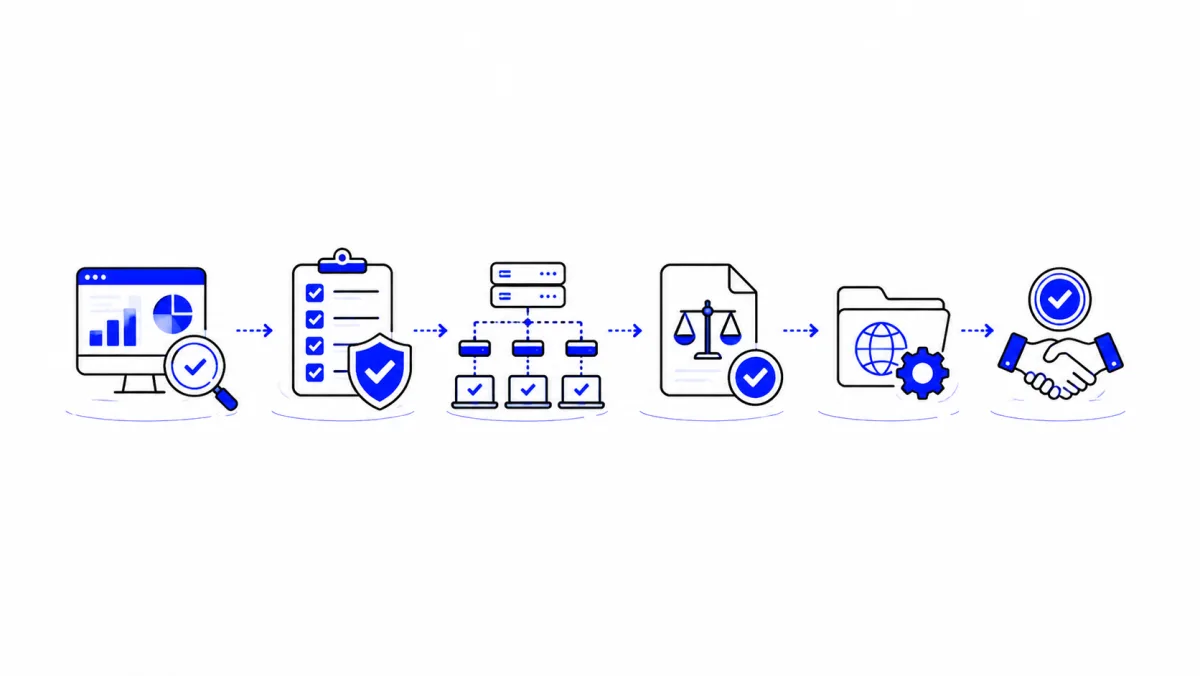
Cloud infrastructure changes have increased the need for flexible IP resource management. Many organizations want to keep control over their own address space while using external cloud platforms. BYOIP allows companies to bring existing IPv4 resources into supported cloud environments and maintain operational control.
What is cloud BYOIP — a networking approach that allows organizations to use their own IP address ranges with cloud providers instead of relying only on provider-assigned addresses. It supports address portability, consistent network policies, and control over IP resources during cloud deployment and migration.
Table of Contents
- Why are cloud teams adopting BYOIP?
- How does BYOIP work in cloud environments?
- What are the main benefits of BYOIP?
- How does BYOIP help with IP reputation control?
- What role does migration planning play in BYOIP adoption?
- What routing requirements must organizations consider?
- Why are ownership verification and provider support important?
- What operational responsibilities remain with the organization?
- What should cloud teams know about BYOIP?
- How can companies prepare for BYOIP deployment?
Why are cloud teams adopting BYOIP?
Cloud teams adopt BYOIP because they need greater control over network resources and existing IP infrastructure. The approach allows organizations to use familiar address ranges while moving workloads between environments.
Common adoption reasons include:
- maintaining existing IP reputation;
- simplifying cloud migration;
- supporting hybrid infrastructure;
- improving network consistency;
- reducing dependency on provider-assigned addresses.
BYOIP is often considered by enterprises that already manage significant IPv4 resources and need predictable address usage across different platforms.
Organizations evaluating IPv4 resources for cloud projects can review IPv4 acquisition services to understand available options for address planning.
How does BYOIP work in cloud environments?
BYOIP requires coordination between the organization, the cloud provider, and network systems responsible for routing. The company retains control of the address space while the cloud platform allows the range to be used within its infrastructure.
The general process includes:
- verifying address ownership;
- preparing routing information;
- meeting provider requirements;
- announcing the address range through approved systems;
- assigning resources to cloud workloads.
Each provider has specific technical requirements that must be completed before the address block becomes available.
What are the main benefits of BYOIP?
The main benefits of BYOIP relate to flexibility, control, and operational continuity. Organizations can maintain existing network identities while using cloud infrastructure.
Key advantages include:
- address portability between environments;
- consistent security policies;
- improved control of IP reputation;
- simplified application migration;
- easier integration with existing networks.
For many companies, BYOIP becomes part of a broader cloud networking strategy that connects internal infrastructure with external platforms.
How does BYOIP help with IP reputation control?
IP reputation control is important for organizations that depend on reliable communication services, customer platforms, or email infrastructure. Existing IP addresses may already have established operational history.
Using BYOIP allows teams to maintain:
- known IP ranges;
- established access rules;
- existing network policies;
- reputation management processes.
However, organizations remain responsible for monitoring address usage and preventing activities that could damage reputation.
What role does migration planning play in BYOIP adoption?
Successful BYOIP deployment requires detailed migration planning. Cloud teams need to evaluate technical dependencies before moving workloads.
Planning should cover:
- application requirements;
- routing changes;
- security configurations;
- service availability;
- rollback procedures.
A structured migration approach reduces downtime and helps teams maintain stable operations during infrastructure changes.
What routing requirements must organizations consider?
BYOIP depends on correct network configuration. Cloud teams must meet specific routing requirements before their address ranges can operate in a cloud environment.
Important areas include:
- BGP configuration;
- route authorization;
- prefix validation;
- network monitoring;
- provider communication.
Technical preparation ensures that the cloud environment can correctly advertise and manage the organization’s IP space.
Why are ownership verification and provider support important?
Cloud platforms require confirmation that an organization controls the IPv4 resources it wants to use. Ownership verification protects against unauthorized address usage and supports secure deployment.
Organizations should prepare:
- registry documentation;
- ownership records;
- authorization information;
- technical contacts.
Provider support is also important because cloud platforms define their own procedures, limitations, and integration requirements.
What operational responsibilities remain with the organization?
BYOIP does not remove network management responsibilities. Companies continue to manage their address resources and related security processes.
Operational responsibilities include:
- monitoring routing activity;
- maintaining IP information;
- handling security incidents;
- updating network documentation.
Teams should understand that BYOIP provides flexibility but also requires ongoing technical management.
What should cloud teams know about BYOIP?
How can companies prepare for BYOIP deployment?
Organizations planning cloud networking projects can review available infrastructure options with InterLIR Global. The company helps businesses evaluate IPv4 requirements, prepare address resources, and manage technical processes connected with cloud network deployment.