What to check before renting an IPv4 subnet
 Henrik Sandberg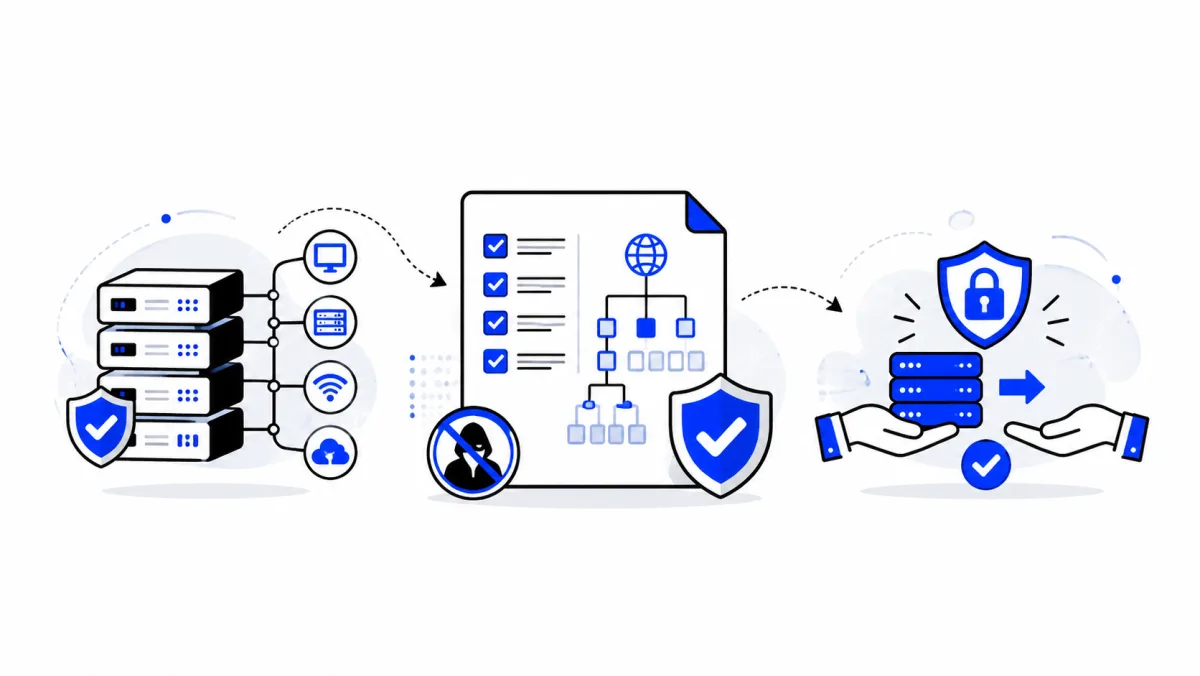
Renting an IPv4 subnet requires technical verification before a company starts using allocated resources. Ownership, routing behavior, reputation history, and configuration parameters affect network stability. A detailed review helps detect risks connected with previous usage or security issues.
IPv4 subnet rental checklist — a structured set of verification steps that helps evaluate an IPv4 block before rental. It includes ownership, routing, reputation, and configuration checks that allow companies to identify risks, confirm resource legitimacy, and prepare the subnet for secure network integration.
Table of Contents
- What should companies check before renting an IPv4 subnet?
- How does routing history affect IPv4 subnet reliability?
- Why should companies perform blacklist check and abuse analysis?
- How can registry data confirm IPv4 subnet legitimacy?
- What technical settings should be checked before IPv4 deployment?
- What problems can appear after renting an IPv4 subnet?
- How can companies prepare IPv4 subnet rental decisions?
- How can businesses manage IPv4 resource allocation effectively?
- How can companies manage IPv4 resources after subnet verification?
What should companies check before renting an IPv4 subnet?
An IPv4 subnet review should include administrative, technical, and security checks. The goal is to confirm that the address range supports planned network activities.
The main verification areas include:
- ownership verification: confirming that the provider has documented rights to manage IPv4 resources;
- registry records: reviewing allocation information and organization details from regional Internet registries;
- routing history: analyzing previous BGP announcements, autonomous system activity, and route changes;
- blacklist check: identifying whether addresses appear in public blocklists;
- reputation screening: evaluating previous activity associated with the subnet.
These checks help identify issues before the IPv4 range becomes part of production infrastructure. Companies that need temporary access to additional address resources can review IPv4 rental options based on network requirements.
How does routing history affect IPv4 subnet reliability?
Routing history shows how an IPv4 subnet was announced and used over time. It provides information about autonomous systems, prefix changes, and routing behavior.
A routing review should include:
- previous BGP announcements and origin AS information;
- route visibility across monitoring platforms;
- unexpected changes in prefix ownership;
- consistency between registry information and routing records.
Strong route visibility helps network operators confirm that the subnet appears correctly across Internet infrastructure.
Why should companies perform blacklist check and abuse analysis?
Previous activity connected with an IPv4 range can influence future operations. Addresses with negative history may face delivery problems, access restrictions, or security reviews.
A detailed analysis should consider:
- abuse reports connected with the subnet;
- spam-related incidents;
- malware or suspicious traffic records;
- previous hosting usage.
A blacklist check helps identify known problems. Companies should also review reputation data before deployment.
How can registry data confirm IPv4 subnet legitimacy?
Public registration records help verify the origin and management status of an IPv4 block. The registry information should correspond with details provided by the rental provider.
Companies should review:
- allocation records from the relevant regional Internet registry;
- organization information connected with the subnet;
- authorization details for resource usage.
Accurate registry information reduces risks related to unclear ownership.
What technical settings should be checked before IPv4 deployment?
Network configuration affects how external systems identify and communicate with an IPv4 subnet.
Geolocation data should be checked because incorrect location information can affect content delivery systems, fraud detection tools, and access policies.
Reverse DNS configuration maps IP addresses to domain names. Correct PTR records support email infrastructure, monitoring, and network administration.
RPKI status shows whether routing information has cryptographic validation. A valid status reduces risks connected with unauthorized route announcements.
What problems can appear after renting an IPv4 subnet?
Skipping verification steps may create operational difficulties after deployment. Common problems include:
- blocked email communication caused by poor address reputation;
- routing instability caused by incorrect announcements;
- inaccurate geolocation data affecting services;
- unresolved abuse history from previous users.
How can companies prepare IPv4 subnet rental decisions?
Companies should compare technical requirements with available IPv4 resources before signing an agreement. The process should include documentation review, network analysis, and future usage planning.
Companies that need long-term control over address resources can evaluate IPv4 address acquisition options instead of relying only on temporary allocation models.
How can businesses manage IPv4 resource allocation effectively?
How can companies manage IPv4 resources after subnet verification?
Companies reviewing IPv4 leasing or acquisition requirements can discuss available resource options with InterLIR Global. The company helps organizations plan IPv4 resource allocation and review suitable approaches for managing network address needs.