Why IPv4 owners should track routing and registry data
 Katarzyna Ostrowska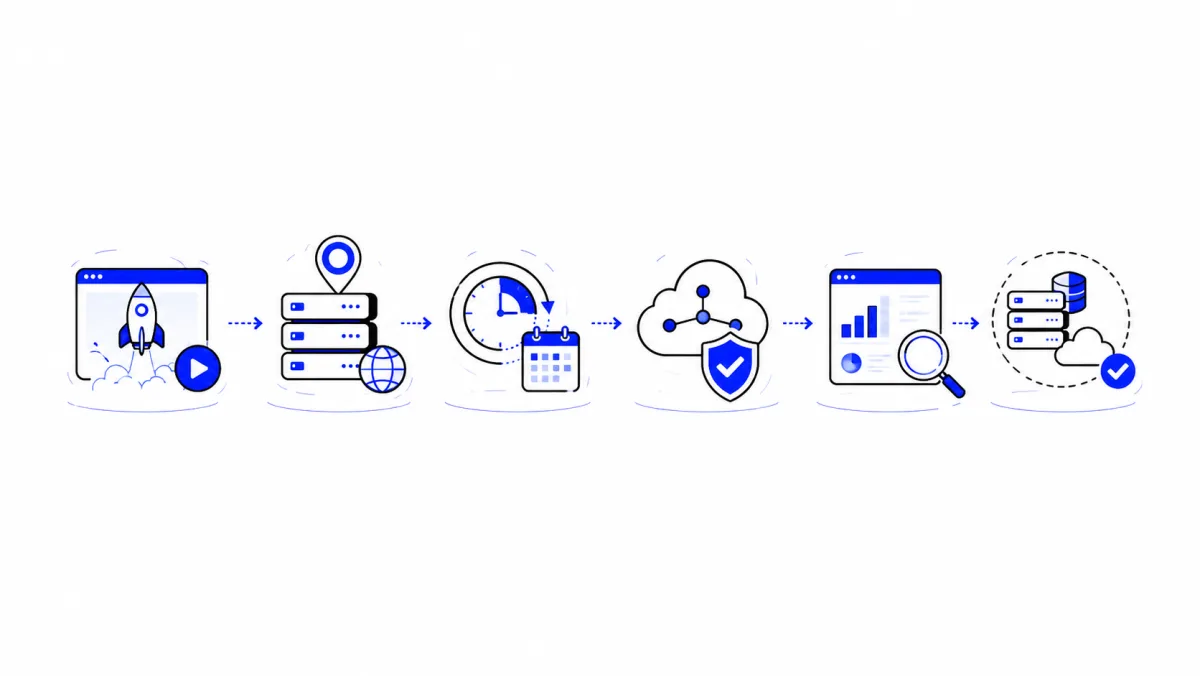
IPv4 owners need accurate technical information to maintain control over their address resources. Monitoring routing activity and registry records helps identify configuration issues, detect unauthorized changes, and keep ownership information consistent across network databases.
IPv4 routing registry monitoring — a process of tracking routing announcements, registry records, and technical changes related to IPv4 resources. It helps owners maintain visibility, verify address usage, and identify potential risks such as incorrect records, unauthorized announcements, or routing inconsistencies.
Table of Contents
- Why is routing and registry monitoring important for IPv4 owners?
- How does owner route tracking help protect IPv4 resources?
- Why should owners monitor changes in routing and registry records?
- What is object mismatch and why does it matter?
- How do RPKI and BGP origin verification improve security?
- Why are WHOIS records and RIR registration alerts important?
- How does geolocation accuracy affect IPv4 resource management?
- What steps should IPv4 owners follow for effective monitoring?
- What should IPv4 owners know about routing and registry tracking?
- How can IPv4 owners improve resource visibility?
Why is routing and registry monitoring important for IPv4 owners?
IPv4 resources require continuous management after allocation or acquisition. Changes in routing, ownership information, or registry data can affect network operations and resource reliability.
Regular monitoring helps owners identify:
- unexpected routing changes;
- outdated registry information;
- incorrect technical records;
- security-related issues;
- inconsistencies between databases.
Maintaining accurate information improves operational control and supports responsible IPv4 management.
How does owner route tracking help protect IPv4 resources?
Owner route tracking allows organizations to observe how their IPv4 blocks appear in global routing systems. It shows whether address space is announced by the expected network and whether changes match approved activity.
Important monitoring areas include:
- BGP announcements;
- route origin information;
- prefix visibility;
- routing policy changes.
Tracking these elements helps detect situations where an IPv4 block is announced incorrectly or without authorization.
Organizations managing IPv4 resources can review IPv4 management services to understand available approaches for resource control and preparation.
Why should owners monitor changes in routing and registry records?
IPv4 data can become outdated when organizations modify infrastructure, update contacts, or transfer resources. Every change should be reflected consistently across relevant systems.
Common issues include:
- incorrect ownership details;
- outdated WHOIS record information;
- missing registry updates;
- differences between routing and allocation data.
Timely updates reduce confusion and help maintain accurate resource documentation.
What is object mismatch and why does it matter?
An object mismatch occurs when related network records contain conflicting information. For example, routing objects, registry entries, and ownership records may not match.
A mismatch can affect:
- route validation;
- network troubleshooting;
- security checks;
- transfer procedures.
Data reconciliation helps compare different sources and correct inconsistencies before they create operational problems.
How do RPKI and BGP origin verification improve security?
RPKI provides cryptographic validation for route authorization. It helps network operators verify whether a specific organization is allowed to announce an IPv4 prefix.
Monitoring should include:
- RPKI status checks;
- BGP origin validation;
- route authorization review;
- announcement history analysis.
These controls help identify incorrect routing activity and reduce risks connected with unauthorized announcements.
Why are WHOIS records and RIR registration alerts important?
Registry information provides a public record of IPv4 resource ownership and allocation. A current WHOIS record helps organizations verify administrative details and maintain transparency.
Owners should monitor:
- contact information changes;
- registration updates;
- transfer-related modifications;
- RIR registration alerts.
These notifications help detect unexpected activity and support faster responses to incorrect changes.
How does geolocation accuracy affect IPv4 resource management?
IPv4 blocks are often used by services that rely on geographic information. Incorrect geolocation data can influence access controls, content delivery, and network analysis.
Owners should review:
- location database accuracy;
- regional information;
- service-related metadata;
- external database updates.
Keeping geolocation data consistent improves how external systems interpret IPv4 resources.
What steps should IPv4 owners follow for effective monitoring?
A structured monitoring process helps organizations maintain reliable IPv4 management.
Recommended steps include:
- tracking routing announcements regularly;
- comparing registry and routing information;
- reviewing security validation data;
- correcting outdated records;
- documenting detected changes.
Continuous monitoring improves visibility and allows owners to respond before issues affect network operations.
What should IPv4 owners know about routing and registry tracking?
How can IPv4 owners improve resource visibility?
Organizations that need structured IPv4 monitoring and management approaches can review available solutions with InterLIR Global. The company helps businesses evaluate IPv4 resource requirements, improve operational visibility, and manage processes related to address ownership and network infrastructure.